Boost Sales With Custom Produce Boxes: Attract Customers With Unique Designs
In a rigorous market, businesses increasingly acknowledge the critical nature of custom produce boxes. Unique designs not only command focus but also enhance brand reputation. By utilizing eye-catching hues and forward-thinking imagery, organizations can establish bonds with consumers on an emotional level. This purposeful strategy can lead to elevated buying inclination and customer allegiance. However, the effectiveness of these designs can shift substantially. What variables truly impact the consequence of distinctive boxes on sales?
Custom Fruit and Vegetable Boxes: Why They're Important for Your Business
Custom produce boxes are necessary for businesses striving to elevate their branding and buyer satisfaction. These boxes represent a concrete embodiment of a business's identity, aiding in stand out from products in a saturated market. By integrating unique colors and designs, firms can seize attention and produce a memorable effect.
Additionally, custom containers deliver functional benefits, ensuring that produce remains fresh and protected during transportation. Tailoring the dimensions and structure to specific products helps minimize waste and enhance storage. Furthermore, superior containers can communicate critical details, such as care directions and nutrition information, promoting customer trust and satisfaction.
The aesthetic appeal of custom produce boxes can also drive repeat purchases, as customers often identify attractive packaging with quality. Ultimately, investing in custom packaging not only reinforces brand image but also enhances the overall shopping experience, making it a crucial aspect of business strategy in the competitive produce market.
Choosing the Right Materials for Your Produce Boxes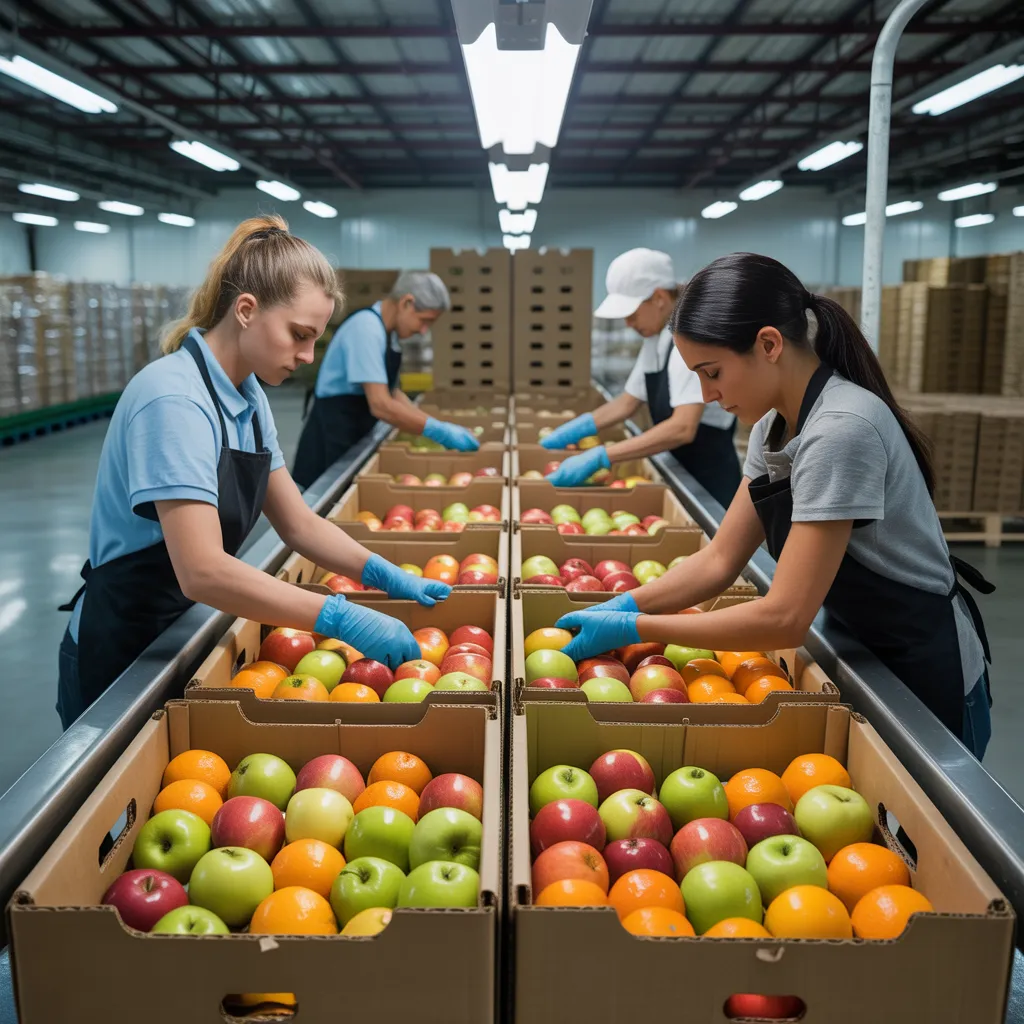
Picking the right options for produce boxes is vital for ensuring goods quality and sustainability. Strong materials like corrugated cardboard are favored choices due to their durability and reduced weight design, which help preserve fresh produce during transport. Additionally, sustainable alternatives such as recycled paper or plant-based plastics appeal to environmentally conscious consumers, strengthening brand image.
The selection of substances can also affect the box's thermal properties, vital for preserving ideal temperature and freshness. Ventilation is an additional element; perforated boxes can help reducing humidity buildup, avoiding spoilage.
Additionally, the print capabilities of different materials should be evaluated, as custom graphics can attract customers. Ultimately, a balance between practicality, environmental responsibility, and visual attractiveness will determine the success of produce boxes in capturing consumer interest. By thoughtfully choosing materials, businesses can ensure their products remain fresh while aligning with sustainable approaches.
Leading Design Advice for Crafting Striking Produce Boxes
Within the sector of custom produce box design, recognizing psychological color impact can considerably elevate presentational charm and consumer engagement. Also, leveraging innovative typography techniques can persuasively relay brand character and goods particulars. Working together, these dimensions fashion a magnetic design that garners attention and drives sales.
Color Psychology Fundamentals
Color psychology plays an essential part in creating visually striking produce boxes that successfully draw in consumers. Different colors evoke specific emotions and associations, shaping purchasing decisions. For instance, vibrant reds and yellows can enhance appetite and capture attention, making them ideal for fresh produce. Green, often linked with health and nature, reinforces the natural qualities of fruits and vegetables. Conversely, blues and purples can communicate trust and quality, attracting to more selective shoppers. Incorporating contrasting colors can enhance visibility, ensuring the boxes become noticeable on shelves. Additionally, recognizing cultural perceptions of color is vital, as meanings can differ widely. By thoughtfully selecting colors, brands can develop engaging packaging that resonates with consumers and increases sales.
Modern Typography Approaches
Effective typography can greatly improve the visual appeal of produce boxes, complementing the strategic use of color. By selecting fonts that reflect the brand's personality, designers can create a unique identity. For instance, playful, rounded typefaces may attract a younger audience, while elegant serif fonts can appeal to a more sophisticated demographic. Additionally, varying font sizes and weights can establish a hierarchy, guiding customers' eyes to essential information. Incorporating custom lettering or hand-drawn elements adds uniqueness, making the packaging memorable. Utilizing negative space efficiently allows typography to breathe, improving legibility and overall aesthetic. Finally, confirming that text contrasts well with background colors guarantees readability, ultimately enhancing the product's marketability and drawing in potential buyers.
Why Do Unique Creations Capture Client Interest?
In what way can unique designs successfully attract customers in? Distinctive designs attract customer attention by forming a distinct visual identity that distinguishes itself in a competitive market. When produce boxes present eye-catching graphics, bold colors, or innovative shapes, they evoke intrigue and motivate potential buyers to investigate further. This visual appeal not only boosts the aesthetic value but also expresses the brand's personality and values.
In addition, innovative styles provoke sentiments, making the goods to look more relatable and appealing. Consumers frequently connect attractive packaging with quality and freshness, which may sway their purchasing decisions. Moreover, memorable designs are more apt to be posted on social media, enhancing brand visibility and bringing in fresh customers. In essence, the impact of unique designs rests in their capacity to forge an immediate bond, converting merchandise not merely goods on the market, but captivating tales ready to be discovered.
Tips for Articulating Your Company Story With Custom Produce Boxes
Building a strong brand narrative using specialized packaging solutions helps organizations to establish deeper relationships with end users at a personal level. Every box works as a medium for narrative expression, demonstrating the enterprise's fundamental beliefs, objectives, and promise of excellence. Color preferences, artistic components, and lettering styles are able to embody the organization's unique personality, fostering an emotional bond with buyers.
Embedding sustainable materials can emphasize a brand's dedication to environmental responsibility, appealing to eco-conscious shoppers. Additionally, including narratives about local sourcing or farming practices can foster a sense of belonging of community and authenticity.
Engaging elements, such as QR codes, can increase customer involvement with customers by guiding them toward videos or content that details the brand's story. By using these design strategies, businesses can effectively deliver their unique identity and establish enduring connections with consumers, ultimately boosting brand loyalty and boosting sales.
Case Studies: Thriving Brands Utilizing Custom Produce Boxes
Various brands have made effective use of custom produce boxes to amplify their market presence through inventive packaging methods. By leveraging design features try now that convey their distinctive narratives, these entities have generated memorable customer interactions. This section will analyze selected case studies that highlight the significance of these approaches on brand perception and customer engagement.
Cutting-edge Packaging Tactics
As consumer preferences move towards sustainable and accessible options, companies are progressively implementing creative packaging approaches to improve their market position. One key example is a farm-to-table enterprise that employs biodegradable tailored boxes, effectively engaging environmentally minded consumers. Their boxes not only maintains quality but also conveys a pledge toward sustainability. Another enterprise has added QR codes on their containers, enabling consumers to obtain recipes and nutritional information, thereby improving the buying experience. Additionally, a local organic farm has deployed returnable containers, motivating shoppers to return them in exchange for discounts, building customer retention while reducing environmental impact. These methods highlight how thoughtful packaging choices can increase sales and build lasting connections with customers in a dynamic market.
Brand Storytelling Through Design
Custom produce boxes act as a powerful medium for brands to communicate their signature tales through deliberate aesthetics. Successful brands like Farm Fresh and GreenLeaf Organics have implemented custom packaging to showcase their focus on sustainability and local sourcing. Farm Fresh's boxes present vibrant illustrations of local farms, creating a connection with community and agriculture. In contrast, GreenLeaf Organics stresses eco-friendliness with minimalist designs and recycled materials, appealing to environmentally conscious consumers. These design choices not only capture attention but also reinforce the brand's principles and goals. By integrating storytelling elements into packaging, these companies actively involve customers, creating memorable experiences that boost brand loyalty and grow earnings. Custom produce boxes, consequently, stand as crucial instruments in modern marketing strategies.
Assessing Custom Produce Boxes Influence on Sales
While several factors affect revenue outcomes, the introduction of personalized fruit and vegetable packaging has emerged as a significant catalyst for many businesses. These boxes not only enhance visibility of products but also establish an emotional connection with consumers, often leading to higher buying intention. Measurements such as volume of sales, customer retention rates, and share of the market can be employed to evaluate the impact of customized designs.
Enterprises often conduct A/B testing, comparing traditional packaging with custom designs to measure differences in sales. Surveys and customer feedback also offer insights into consumer preferences, showing how packaging shapes buying decisions. Additionally, monitoring online engagement through social media and website analytics can deliver a clearer picture of how custom produce boxes resonate with target audiences.
In the end, evaluating the influence of custom produce boxes necessitates a multifaceted approach that merges quantitative and qualitative data, enabling organizations to enhance their plans for maximum efficiency.
Regularly Submitted Questions
How Can I Find the Perfect Box Size for My Produce?
To identify the right box size for produce, one should measure the dimensions of the items, consider their weight, and account for airflow. Proper sizing guarantees product protection and ideal presentation for customers.
Can I Place an Order for Made-to-Order Produce Boxes in Small Quantities?
Yes, many vendors provide the option to purchase personalized vegetable containers in small quantities. This adaptability caters to businesses with different requirements, allowing them to test designs or control stock without committing to bulk purchases.
How Long Represents the Standard Lead Time for Bespoke Box Orders?
The typical turnaround time for custom box orders differs, typically ranging from two to four weeks. Elements such as design complexity, quantity, and production capabilities can affect the precise length of the process.
Are there eco-friendly alternatives for personalized fresh boxes?
Yes, there are sustainable options for custom produce boxes. Many manufacturers provide biodegradable, recycled materials and sustainable methods, enabling businesses to lessen their environmental impact while maintaining quality and aesthetics in their packaging solutions.
In What Manner Can I Place My Logo Into the Box Design?
Incorporating a brand mark into box design can be achieved through various methods, such as direct printing onto the box, embossing, or using adhesive labels. Strategic placement improves brand recognition while preserving an visually appealing design.